Ultimate Travel Guide to Kyoto, Japan Temples, Culture, Food & Hidden Gems
Introduction
Kyoto, Japan’s ancient capital, is a city where tradition, culture, and nature coexist in perfect harmony. Once the imperial capital of Japan for over a thousand years, Kyoto is home to over 1,600 Buddhist temples, Shinto shrines, serene gardens, traditional tea houses, and vibrant cultural festivals. Unlike Tokyo’s fast-paced modern lifestyle, Kyoto offers travelers a glimpse into the Japan of the past — a place of calm streets, historic architecture, and seasonal beauty.
Visiting Kyoto is an experience that goes beyond sightseeing. You can wander through bamboo forests, attend traditional tea ceremonies, stroll along streets lined with old wooden machiya houses, and witness the geisha districts in Gion. In this complete travel guide, you will discover the best time to visit, must-see attractions, hidden gems, activities, food recommendations, accommodation tips, and safety advice to make your trip to Kyoto unforgettable.
Why Visit Kyoto?
Kyoto is one of the few cities in Japan that preserves its historical charm while offering modern conveniences. Its temples, gardens, and shrines are not only aesthetically beautiful but also rich with stories and spiritual significance. Visitors often find a sense of peace walking along the Philosopher’s Path, enjoying the tranquility of Zen gardens, or watching cherry blossoms fall softly in spring.
Culturally, Kyoto is significant. It hosts traditional tea ceremonies, seasonal festivals such as Gion Matsuri, and has neighborhoods where geisha and maiko (apprentice geisha) still perform. For travelers seeking photography, cultural immersion, or a serene escape, Kyoto is unparalleled.
Best Time to Visit Kyoto
The timing of your visit can dramatically affect your experience in Kyoto. The city offers distinct beauty in every season:
- Spring (March–May): Cherry blossoms bloom, parks and temples are vibrant, and temperatures are mild. This is the most popular season, so expect crowds.
- Autumn (September–November): The city’s trees transform into brilliant shades of red, orange, and yellow. The weather is comfortable, making it ideal for sightseeing.
- Summer (June–August): Hot and humid, summer brings festivals, vibrant markets, and lush green landscapes. Prepare for occasional heavy rains.
- Winter (December–February): Cooler temperatures, fewer tourists, and snow-covered temples create a peaceful experience. Certain attractions may close early, but it’s perfect for travelers seeking quiet.
For most travelers, spring and autumn are the best seasons to experience Kyoto’s beauty and culture.
Top Attractions in Kyoto
Fushimi Inari Shrine
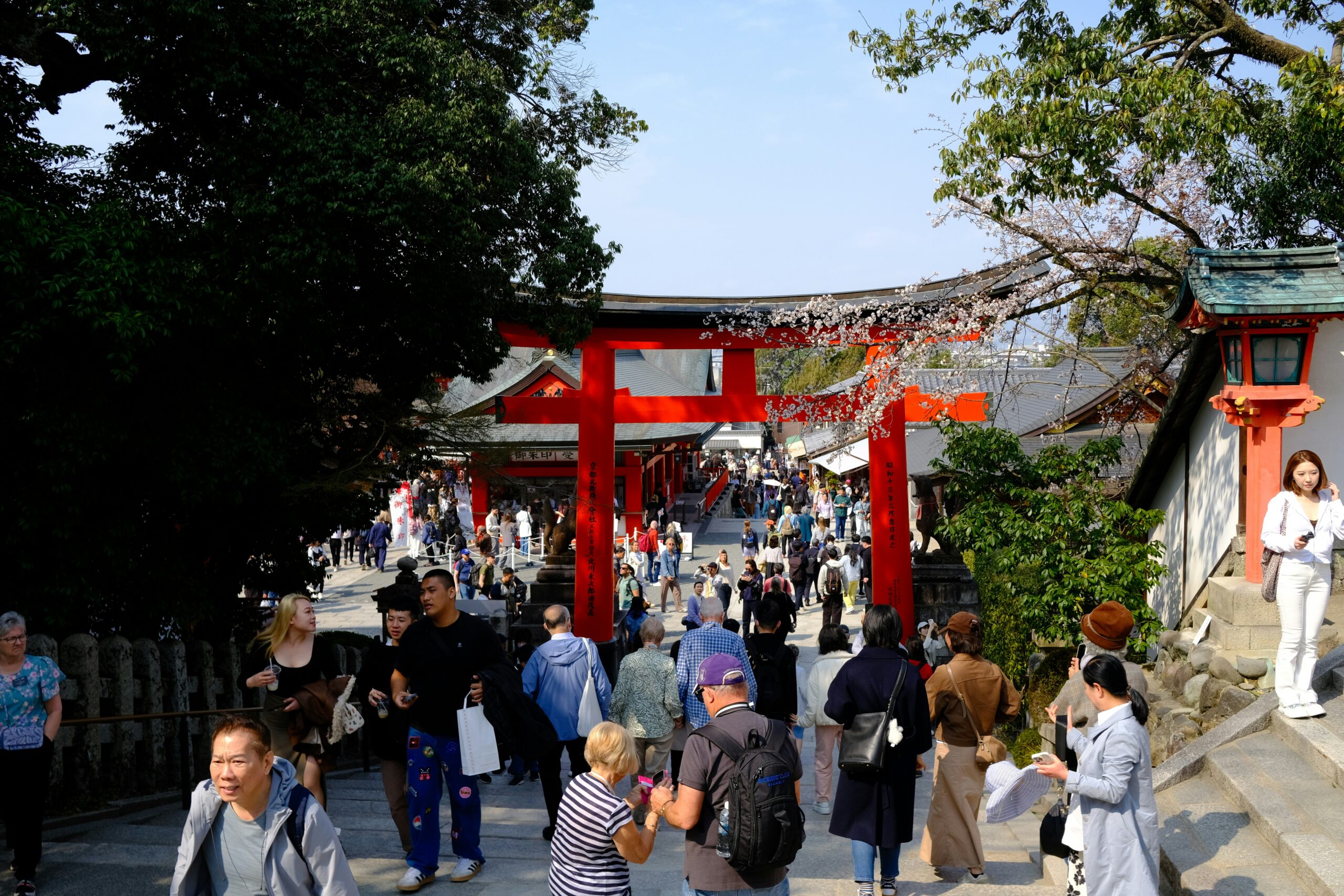
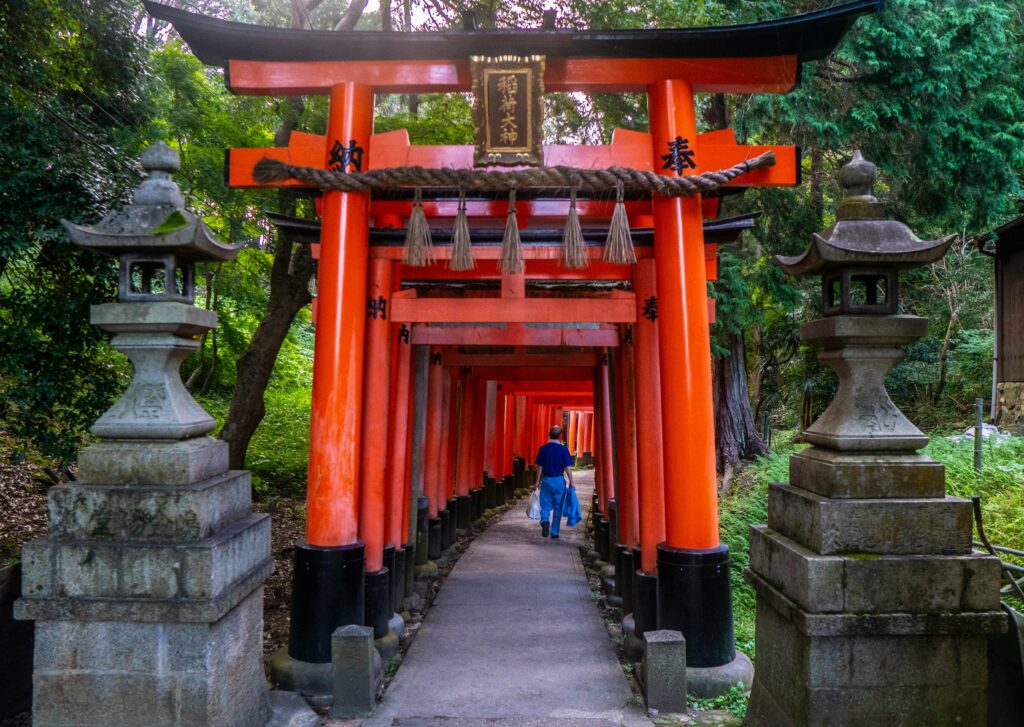
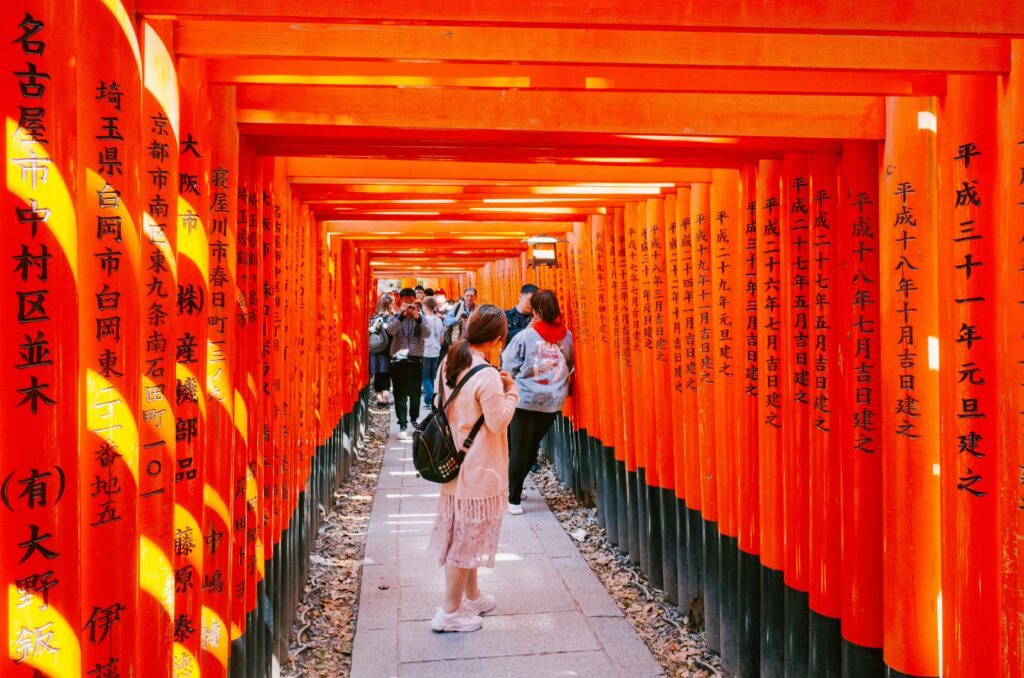
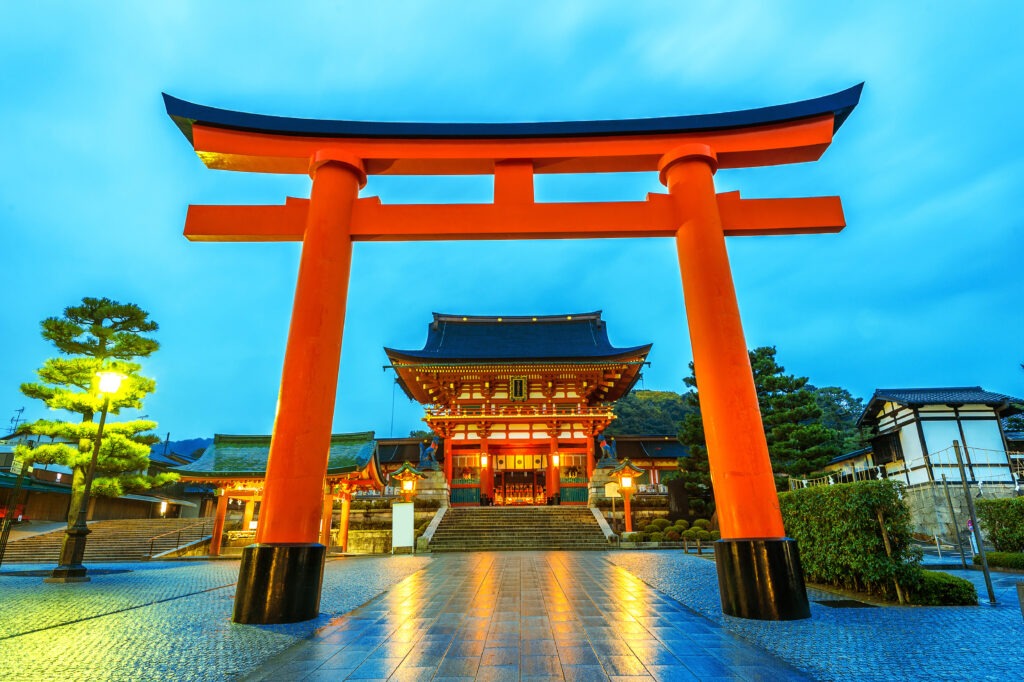
Fushimi Inari Taisha is Kyoto’s most iconic landmark, famous for its thousands of red torii gates that form winding paths through the forested hills. Dedicated to Inari, the Shinto god of rice and prosperity, this shrine offers a spiritual and visually stunning experience. Visitors can walk to the summit for panoramic views of Kyoto or explore the smaller shrines scattered along the trails. Early morning is ideal to avoid crowds and capture serene photographs.
Arashiyama Bamboo Grove
Arashiyama Bamboo Grove is a magical forest where towering bamboo stalks sway gently in the wind, creating a tranquil atmosphere. The grove is a popular spot for photographers and nature lovers. Nearby, you can explore the Tenryu-ji Temple, take a boat ride on the Katsura River, or visit the Iwatayama Monkey Park for scenic views of the city.
Kinkaku-ji (Golden Pavilion)
The Golden Pavilion is a Zen Buddhist temple covered in gold leaf, reflecting beautifully on the surrounding pond. Its gardens are meticulously maintained and offer a peaceful stroll through seasonal blooms. Kinkaku-ji is not just a visual masterpiece but also a cultural symbol representing Kyoto’s historical richness.
Gion District
Gion is Kyoto’s most famous geisha district. Walking through its narrow streets lined with wooden machiya houses, travelers can glimpse geisha and maiko on their way to appointments. Gion is also home to traditional tea houses, boutique shops, and restaurants offering Kyoto cuisine. Evening visits provide the most atmospheric experience as lanterns light up the streets.
Hidden Gems in Kyoto
While many tourists flock to famous temples, Kyoto has lesser-known treasures that are worth exploring:
- Philosopher’s Path: A serene canal-side walk lined with cherry trees, perfect for meditation and photography.
- Otagi Nenbutsu-ji Temple: A quiet temple filled with hundreds of unique stone statues, each with its own expression.
- Kurama Village: Nestled in the mountains, this village offers hiking trails, hot springs, and a peaceful retreat from city life.
- Nishiki Market Backstreets: Venture beyond the main market to discover local food stalls and traditional crafts.
Exploring these areas gives travelers a deeper understanding of Kyoto’s culture and daily life.
Best Things to Do in Kyoto
- Attend a traditional tea ceremony and learn about Japanese tea culture.
- Rent a kimono for the day and walk through historic districts for an immersive experience.
- Hike the trail from Gion to Kiyomizu-dera Temple, passing quaint shops and scenic viewpoints.
- Participate in seasonal festivals, such as the cherry blossom celebrations in spring or autumn lantern festivals.
- Explore local markets to taste street foods like yatsuhashi (sweet cinnamon rice cakes) and matcha treats.
Kyoto offers a blend of cultural immersion, scenic walks, and memorable activities for travelers of all types.
Food You Must Try in Kyoto
Kyoto cuisine is delicate, artistic, and seasonally inspired. Some must-try dishes include:
- Kaiseki Ryori: Traditional multi-course meals showcasing seasonal ingredients.
- Yudofu: A simple but delicious boiled tofu dish, often served at temple restaurants.
- Matcha Desserts: From matcha ice cream to cakes, Kyoto is famous for its green tea-based sweets.
- Street Snacks at Nishiki Market: Try grilled seafood, skewers, and sweet mochi for an authentic experience.
Pair meals with local sake or matcha tea to complete the Kyoto culinary journey.
Accommodation Tips
Kyoto offers a range of accommodations:
- Gion: Ideal for travelers seeking traditional ambiance and proximity to cultural sites.
- Downtown Kyoto: Convenient for shopping, transport, and central sightseeing.
- Arashiyama: Great for nature lovers and those wanting a quieter stay.
- Near Kyoto Station: Practical for transport connections and budget-friendly options.
Choosing your accommodation depends on your priorities: luxury, culture, or convenience.
Safety and Travel Tips
Kyoto is very safe, but basic travel awareness is important:
- Respect temple rules and Japanese customs.
- Carry cash, as some small shops do not accept cards.
- Use comfortable shoes for walking through hilly streets and temple grounds.
- Learn basic Japanese phrases to enhance interactions with locals.
- Use public transport passes for convenience and cost savings.
Final Thoughts
Kyoto is a city that immerses travelers in the essence of Japan. Its temples, gardens, traditional streets, and cultural experiences create memories that last a lifetime. Whether you are wandering through bamboo groves, attending a tea ceremony, or exploring hidden villages, Kyoto offers a peaceful, inspiring, and unforgettable journey.
For travelers seeking a blend of history, culture, and natural beauty, Kyoto is a destination that deserves to be on every Japan itinerary.